Category: glt

Gray Line Toronto Blogs must use this category to be shown on the website

  • Essential Tips for First-Time Visitors to Toronto

    Essential Tips for First-Time Visitors to Toronto

    Navigating Toronto’s Public Transport

    Essential Tips for First-Time Visitors to Toronto

    Toronto is Canada’s largest city and one of the most diverse destinations in the world. From iconic landmarks and vibrant neighbourhoods to world-class dining and waterfront views, there is no shortage of things to see and do. If you’re visiting Toronto for the first time, a little planning can go a long way in making the most of your experience.

    Here are some essential tips to help you explore Toronto like a local and create unforgettable memories during your visit.

    1. Start with the City’s Iconic Attractions

    Toronto is home to some of Canada’s most recognizable landmarks. Make sure to include attractions such as the CN Tower, Ripley’s Aquarium of Canada, St. Lawrence Market, the Distillery Historic District, and Casa Loma on your itinerary.

    For first-time visitors, a guided city tour is one of the easiest ways to see the highlights while learning about Toronto’s history and culture.

    2. Toronto Is Bigger Than Most Visitors Expect

    Many visitors underestimate Toronto’s size. The city stretches across hundreds of square kilometres, and travelling between attractions can take longer than expected.

    Plan your sightseeing by neighbourhood to maximize your time and minimize unnecessary travel.

    3. Use Public Transit or Leave Driving to the Experts

    Toronto traffic can be challenging, especially during rush hour. The TTC subway, streetcars, and buses provide convenient access to many major attractions.

    For visitors wanting a stress-free experience, guided tours and sightseeing transportation eliminate the need to navigate traffic, parking, and unfamiliar roads.

    4. Dress for the Weather

    Toronto experiences all four seasons. Summers can be warm and humid, while winters can be cold and snowy.

    Always check the weather forecast before heading out and dress accordingly. Comfortable walking shoes are highly recommended year-round.

    5. Explore Beyond Downtown

    While downtown Toronto offers incredible attractions, some of the city’s best experiences can be found beyond the core.

    Consider visiting:

    • High Park
    • The Toronto Islands
    • Kensington Market
    • The Beaches
    • Evergreen Brick Works
    • Scarborough Bluffs

    These areas provide a different perspective of the city and are popular among locals.

    6. Don’t Miss Toronto’s Food Scene

    Toronto is often considered one of the most multicultural cities in the world, and its culinary scene reflects that diversity.

    From authentic international cuisine to local favourites, visitors can enjoy everything from fine dining to hidden neighbourhood gems. Be sure to sample foods representing Toronto’s many cultures.

    7. Plan Ahead for Popular Attractions

    Some of Toronto’s most popular attractions sell out or experience long wait times during peak travel seasons.

    Purchasing tickets in advance for attractions such as the CN Tower, Casa Loma, and major sporting events can save valuable vacation time.

    8. Take a Day Trip to Niagara Falls

    One of the biggest mistakes visitors make is spending their entire trip in Toronto without visiting Niagara Falls.

    Located just 90 minutes from the city, Niagara Falls is one of the world’s most spectacular natural wonders and one of the most popular day trips from Toronto.

    Many visitors combine their Toronto vacation with a guided Niagara Falls tour to experience both destinations during a single trip.

    9. Be Prepared to Walk

    Toronto is an extremely walkable city, particularly in neighbourhoods such as the Distillery District, Yorkville, and Kensington Market.

    Comfortable footwear will help you enjoy the city without unnecessary discomfort.

    10. Experience Toronto Like a Local

    While major attractions are worth visiting, some of the best memories come from exploring local neighbourhoods, visiting independent shops, relaxing at waterfront parks, and discovering hidden gems.

    Toronto rewards curious travellers who take the time to explore beyond the typical tourist route.

    Bonus Tip: Consider a Guided Tour on Your First Day

    One of the smartest ways to begin your Toronto vacation is with a guided city tour. Not only will you see the city’s major attractions, but you’ll also gain valuable local knowledge that helps you plan the rest of your stay.

    Many visitors find that a city tour early in their trip helps them discover neighbourhoods, restaurants, attractions, and experiences they would have otherwise missed.

    Welcome to Toronto

    Toronto is a city filled with culture, history, diversity, and unforgettable experiences. Whether you’re visiting for a weekend, a family vacation, or a longer Canadian adventure, these tips will help you make the most of your time in the city.

    From the vibrant streets of downtown Toronto to the breathtaking beauty of nearby Niagara Falls, your first visit is sure to be the beginning of many return trips.

    Start exploring, embrace the city’s diversity, and enjoy everything Toronto has to offer.

    Common Cultural Etiquette

    Common Cultural Etiquette in Toronto: A Visitor’s Guide

    Toronto is one of the most multicultural cities in the world, welcoming millions of visitors each year from every corner of the globe. One of the city’s greatest strengths is its diversity, inclusiveness, and friendliness. While Toronto is generally relaxed and easy-going, understanding a few cultural norms can help first-time visitors feel more comfortable and make a positive impression during their stay.

    Here are some common cultural etiquette tips to help you navigate Toronto like a local.

    1. Canadians Are Polite – And Expect Politeness in Return

    One of the first things visitors notice is how often Canadians say “please,” “thank you,” and “sorry.”

    Even in situations where someone is not at fault, it is common to hear Canadians apologize as a sign of courtesy. Simple gestures of politeness go a long way and are appreciated in everyday interactions.

    2. Respect Personal Space

    Toronto residents generally value personal space when speaking with others, waiting in line, or using public transportation.

    Standing too close to someone or cutting into personal space may make people uncomfortable. Maintaining a respectful distance is considered courteous.

    3. Wait Your Turn

    Whether boarding public transit, ordering food, or entering an attraction, queuing is taken seriously in Toronto.

    Cutting in line is considered rude and is likely to attract negative attention. Always wait your turn and follow the order of the queue.

    4. Tipping Is Standard Practice

    Tipping is customary throughout Canada and expected in many service industries.

    Common tipping guidelines include:

    • Restaurants: 15% to 20%
    • Tour guides: Based on service quality
    • Taxi and rideshare drivers: 10% to 20%
    • Hotel staff: At your discretion

    Tipping helps recognize good service and is an important part of the hospitality industry.

    5. Be Respectful of Cultural Diversity

    Toronto is one of the most culturally diverse cities in the world, with residents representing hundreds of ethnic backgrounds, languages, and cultures.

    Visitors are encouraged to approach differences with curiosity, respect, and openness. Diversity is celebrated and embraced throughout the city.

    6. Public Transportation Etiquette Matters

    When riding the TTC, it is considered polite to:

    • Allow passengers to exit before boarding
    • Offer seats to seniors, pregnant passengers, and those with mobility challenges
    • Keep noise levels reasonable
    • Move away from doors when possible

    These small actions help keep transit comfortable for everyone.

    7. Hold the Door for Others

    Holding a door open for someone behind you is a common courtesy in Toronto.

    This simple gesture is appreciated and reflects the city’s generally friendly atmosphere.

    8. Respect Quiet Spaces

    Libraries, museums, galleries, places of worship, and some public spaces are expected to remain relatively quiet.

    Visitors should be mindful of noise levels and respect the environment around them.

    9. Follow Smoking and Vaping Regulations

    Toronto has strict rules regarding smoking and vaping in public places.

    Smoking is prohibited in many public areas, including patios, parks, playgrounds, and near building entrances. Always look for designated smoking areas.

    10. Be Mindful of Winter Weather

    During the winter months, sidewalks can become icy and snow-covered.

    Residents appreciate when visitors exercise caution, avoid blocking sidewalks, and remain patient during weather-related delays.

    11. Sports and Local Pride

    Toronto residents are passionate about their sports teams, particularly:

    • Toronto Maple Leafs
    • Toronto Raptors
    • Toronto Blue Jays
    • Toronto FC

    Showing interest in local sports can often be a great conversation starter.

    12. Ask Before Taking Photos of People

    While Toronto offers endless photo opportunities, it is always courteous to ask permission before taking close-up photographs of individuals.

    Most people appreciate being asked first.

    13. Be Patient and Friendly

    Toronto is a fast-moving city, but people generally respond well to friendliness and patience.

    A smile, a thank you, or a polite question can make interactions much more enjoyable during your visit.

    Common Phrases You’ll Hear

    Visitors may frequently hear:

    • “Sorry”
    • “Thank you”
    • “No worries”
    • “Excuse me”
    • “Have a great day”

    These expressions are part of everyday Canadian communication and reflect the city’s welcoming culture.

    Final Thoughts

    Toronto’s cultural etiquette is built on respect, politeness, diversity, and inclusion. Visitors who embrace these values will find the city easy to navigate and incredibly welcoming.

    By understanding a few simple customs and social norms, you’ll be able to connect more easily with locals, enjoy smoother interactions, and experience Toronto the way it was meant to be experienced.

    Welcome to Toronto—a city where diversity thrives, visitors are welcomed, and unforgettable experiences await around every corner.

    Must-Visit Neighborhoods

    Must-Visit Neighborhoods in Toronto

    Toronto is often described as a city of neighborhoods, each offering its own unique personality, culture, and experiences. From historic districts and waterfront communities to trendy shopping streets and multicultural hubs, exploring Toronto’s neighborhoods is one of the best ways to truly experience the city.

    Whether you’re visiting for the first time or returning for another adventure, these must-visit neighborhoods should be on every Toronto itinerary.

    1. Distillery Historic District

    The Distillery Historic District is one of Toronto’s most photographed and charming neighborhoods. Known for its cobblestone streets, Victorian-era architecture, art galleries, boutiques, and restaurants, this pedestrian-only district offers a perfect blend of history and modern culture.

    Visitors can enjoy local shops, public art installations, seasonal festivals, and some of the city’s best dining experiences.

    Highlights:

    • Historic architecture
    • Local artisan shops
    • Restaurants and patios
    • Art galleries
    • Seasonal markets and events

    2. Kensington Market

    Kensington Market is one of Toronto’s most eclectic and vibrant neighborhoods. Known for its multicultural atmosphere, independent businesses, vintage shops, colorful murals, and unique food scene, it remains a favorite among both locals and visitors.

    No two visits to Kensington Market are ever the same.

    Highlights:

    • International cuisine
    • Vintage shopping
    • Street art
    • Independent cafés
    • Local culture

    3. Yorkville

    For luxury shopping, upscale dining, and sophisticated city living, Yorkville is Toronto’s premier destination.

    Often compared to Rodeo Drive in Beverly Hills or Fifth Avenue in New York, Yorkville features designer boutiques, luxury hotels, art galleries, and elegant restaurants.

    Highlights:

    • Luxury shopping
    • Fine dining
    • Designer brands
    • Art galleries
    • Celebrity sightings

    4. St. Lawrence Market District

    The St. Lawrence neighborhood is where Toronto’s history comes alive. Home to the famous St. Lawrence Market, this area combines historic architecture with modern urban living.

    Visitors can explore local food vendors, heritage buildings, and some of the city’s most important historical sites.

    Highlights:

    • St. Lawrence Market
    • Historic Toronto
    • Local food vendors
    • Architecture
    • Walking tours

    5. The Entertainment District

    The Entertainment District is the heart of Toronto’s nightlife and entertainment scene.

    Home to theatres, concert venues, sports arenas, restaurants, and nightlife, this neighborhood attracts visitors looking for excitement and world-class entertainment.

    Highlights:

    • CN Tower
    • Rogers Centre
    • Theatres
    • Nightlife
    • Concert venues

    6. Queen Street West

    Frequently recognized as one of the coolest streets in the world, Queen Street West offers a mix of fashion, art, music, and creativity.

    This neighborhood is ideal for visitors looking to discover Toronto’s artistic side.

    Highlights:

    • Independent boutiques
    • Art galleries
    • Live music
    • Trendy cafés
    • Street art

    7. The Beaches

    Located along Lake Ontario, The Beaches offers a completely different side of Toronto.

    With sandy beaches, waterfront trails, charming shops, and a relaxed atmosphere, it is one of the city’s most popular areas during warmer months.

    Highlights:

    • Waterfront views
    • Beaches
    • Boardwalk
    • Local cafés
    • Family-friendly atmosphere

    8. Harbourfront

    Toronto’s Harbourfront is where city life meets the waterfront. Visitors can enjoy lake views, outdoor festivals, boat cruises, cultural events, and access to the Toronto Islands.

    It is one of the most scenic areas in the city.

    Highlights:

    • Lake Ontario views
    • Boat tours
    • Toronto Island ferries
    • Waterfront trails
    • Seasonal festivals

    9. Chinatown

    Toronto’s Chinatown is one of the largest in North America and offers visitors authentic cuisine, unique shopping, and cultural experiences.

    The neighborhood is constantly bustling with activity and provides some of the city’s best value dining options.

    Highlights:

    • Authentic Asian cuisine
    • Markets
    • Specialty shops
    • Cultural experiences
    • Affordable dining

    10. The Financial District

    Toronto’s Financial District showcases the city’s modern skyline and global business influence.

    Towering skyscrapers, public art, underground PATH connections, and architectural landmarks make this neighborhood an essential stop for visitors wanting to experience modern Toronto.

    Highlights:

    • Toronto skyline
    • PATH network
    • Modern architecture
    • Business district
    • Downtown energy

    Bonus: Toronto Islands

    While technically not a neighborhood, the Toronto Islands deserve special recognition.

    Just a short ferry ride from downtown, the islands offer beaches, bike paths, picnic areas, and some of the best skyline views in Canada.

    For many visitors, the Toronto Islands become one of the highlights of their trip.

    Explore Toronto Beyond the Attractions

    Toronto’s neighborhoods are what truly give the city its character. Each district offers a different story, culture, and experience waiting to be discovered.

    Whether you’re exploring historic streets, enjoying world-class dining, shopping in luxury boutiques, or relaxing by the waterfront, Toronto’s neighborhoods provide something for every traveler.

    The best way to experience Toronto is to venture beyond the landmarks and discover the communities that make Canada’s largest city one of the most exciting destinations in North America.

    Local Cuisine Recommendations

    Local Cuisine Recommendations: What to Eat in Toronto

    One of the best ways to experience Toronto is through its food. As one of the most multicultural cities in the world, Toronto offers an incredible culinary landscape where visitors can sample flavors from nearly every corner of the globe. From iconic Canadian dishes to international cuisine and hidden local favorites, the city is a food lover’s paradise.

    If you’re visiting Toronto for the first time, here are some must-try foods and dining experiences you won’t want to miss.

    1. Peameal Bacon Sandwich

    Often referred to as Toronto’s signature sandwich, the peameal bacon sandwich is a local favorite. Made with cured pork loin rolled in cornmeal and served on a fresh bun, it’s a simple but delicious Canadian classic.

    Many visitors head to St. Lawrence Market to try one of the city’s most famous versions.

    Why Try It?

    • Authentic Toronto specialty
    • Quick and affordable
    • Perfect for breakfast or lunch

    2. Canadian Poutine

    No visit to Canada is complete without trying poutine. This iconic dish consists of crispy fries topped with cheese curds and rich gravy.

    Many Toronto restaurants now offer creative versions featuring pulled pork, smoked meats, and gourmet toppings.

    Why Try It?

    • Canada’s most famous comfort food
    • Perfect snack after sightseeing
    • Available throughout the city

    3. Butter Tarts

    Butter tarts are one of Canada’s most beloved desserts. These sweet pastries feature a rich filling made from butter, sugar, and syrup inside a flaky pastry shell.

    Why Try It?

    • Classic Canadian dessert
    • Great souvenir treat
    • Found in bakeries throughout Toronto

    4. International Cuisine in Kensington Market

    Toronto’s diversity shines in Kensington Market, where visitors can sample flavors from around the world in a single afternoon.

    Popular options include:

    • Mexican tacos
    • Caribbean cuisine
    • Middle Eastern specialties
    • Latin American street food
    • Vegan and vegetarian options

    Why Try It?

    • Authentic local experience
    • Diverse food choices
    • One of Toronto’s most vibrant neighborhoods

    5. Chinatown Food Experiences

    Toronto’s Chinatown offers some of the best Asian cuisine in North America.

    Popular choices include:

    • Dim Sum
    • Hand-pulled noodles
    • Dumplings
    • Bubble tea
    • Cantonese seafood

    Why Try It?

    • Excellent value
    • Authentic flavors
    • Large variety of choices

    6. Toronto’s Food Markets

    Toronto’s food markets are culinary destinations in their own right.

    Must-visit markets include:

    • St. Lawrence Market
    • Kensington Market
    • Evergreen Brick Works Farmers Market

    These locations provide opportunities to sample local products, fresh ingredients, baked goods, and specialty foods.

    7. Caribbean Cuisine

    Toronto is home to one of the largest Caribbean communities outside the Caribbean.

    Popular dishes include:

    • Jerk chicken
    • Oxtail
    • Roti
    • Curry goat
    • Patties

    Why Try It?

    • Rich cultural influence
    • Bold flavors
    • Toronto specialty food scene

    8. Italian Cuisine in Little Italy

    Toronto’s Little Italy offers everything from traditional family-run restaurants to modern Italian dining experiences.

    Popular dishes include:

    • Fresh pasta
    • Wood-fired pizza
    • Gelato
    • Espresso
    • Italian pastries

    Why Try It?

    • Authentic atmosphere
    • Outdoor patios
    • Excellent dining experiences

    9. Toronto’s Craft Brewery Scene

    Toronto’s craft beer industry has grown significantly over the past decade.

    Visitors can explore:

    • Local breweries
    • Beer tasting flights
    • Brewery tours
    • Seasonal craft selections

    Why Try It?

    • Local flavors
    • Unique brewing styles
    • Great social atmosphere

    10. Fine Dining in Yorkville

    For visitors seeking a luxury dining experience, Yorkville offers some of Toronto’s most acclaimed restaurants.

    Expect:

    • Chef-driven menus
    • International cuisine
    • Premium wine selections
    • Elegant dining rooms

    Why Try It?

    • Upscale atmosphere
    • Exceptional service
    • Special occasion dining

    Must-Try Canadian Foods While Visiting Toronto

    If you’re only in Toronto for a short time, make sure to try:

    • Peameal bacon sandwich
    • Poutine
    • Butter tarts
    • Nanaimo bars
    • Canadian maple treats

    These dishes represent some of Canada’s most iconic culinary traditions.

    Vegetarian and Vegan Visitors

    Toronto is one of North America’s most vegetarian- and vegan-friendly cities.

    Visitors will find:

    • Plant-based restaurants
    • Vegan bakeries
    • International vegetarian cuisine
    • Healthy dining options throughout the city

    Where Do Locals Eat?

    Many locals enjoy exploring neighborhoods such as:

    • Kensington Market
    • Queen Street West
    • The Distillery District
    • Leslieville
    • The Danforth
    • Yorkville
    • St. Lawrence Market Area

    These districts offer a mix of hidden gems, local favorites, and highly rated restaurants.

    Taste the Best of Toronto

    Toronto’s food scene is a reflection of the city’s incredible diversity, creativity, and culture. Whether you’re trying a peameal bacon sandwich for the first time, exploring international flavors in Kensington Market, or enjoying a fine dining experience in Yorkville, every meal tells part of Toronto’s story.

    For many visitors, discovering Toronto through its food becomes one of the most memorable parts of their trip.

    Come hungry, explore often, and experience why Toronto is considered one of the world’s great food cities.
  • Top 10 Unique Attractions in Toronto You Can’t Miss

    1. Hidden Gems: Historic Landmarks in Toronto

    Hidden Gems: Historic Landmarks in Toronto

    Toronto is known around the world for iconic attractions like the CN Tower and bustling downtown skyline, but beyond the major tourist spots lies a collection of historic landmarks that quietly tell the story of the city’s rich cultural heritage. From hidden alleyways and Victorian-era districts to castles, markets, and preserved villages, these lesser-known gems offer visitors a deeper connection to Toronto’s past while showcasing the character that makes the city unique today.

    Whether you are visiting for the first time or rediscovering your own city, these hidden historic landmarks provide a more authentic and memorable side of Toronto.


    1. Spadina Museum

    Nestled beside Casa Loma, Spadina Museum often gets overlooked despite being one of Toronto’s most beautifully preserved historic homes. The mansion showcases life in Toronto during the 1920s and 1930s, complete with original décor, gardens, and architecture that transport visitors back in time.

    Unlike larger attractions, Spadina Museum offers a quieter and more intimate experience where guests can truly appreciate the elegance and lifestyle of Toronto’s early elite families.


    2. Guild Park and Gardens

    Located along the Scarborough Bluffs, Guild Park and Gardens feels like a hidden outdoor museum. The park features preserved architectural fragments from demolished Toronto buildings, including columns, statues, and facades dating back decades.

    Walking through the grounds offers a fascinating glimpse into the city’s lost architecture while combining history with stunning waterfront scenery.


    3. Mackenzie House

    Hidden in downtown Toronto, Mackenzie House was once home to William Lyon Mackenzie, Toronto’s first mayor and a key figure in Canadian political reform.

    The restored 19th-century townhouse offers visitors a chance to experience life during early Toronto while learning about the city’s political beginnings, printing history, and social evolution.


    4. Todmorden Mills Heritage Site

    Tucked away in the Don Valley, Todmorden Mills is one of Toronto’s best-kept historical secrets. This preserved industrial and residential settlement dates back to the 1800s and highlights Toronto’s early paper milling industry.

    Visitors can explore heritage buildings, walking trails, and exhibits that showcase how Toronto evolved from a small settlement into a major city.


    5. Campbell House Museum

    Originally built in 1822, Campbell House is one of Toronto’s oldest surviving buildings. Hidden among the modern towers of downtown, the home provides a remarkable contrast between historic and contemporary Toronto.

    Its preserved Georgian architecture and original furnishings offer insight into upper-class life during the city’s earliest years.


    6. Distillery Historic District

    While many visitors know the Distillery District for its restaurants and shops, few realize its deeper historical significance. Once the largest whiskey distillery in the British Empire, the area played a major role in Toronto’s industrial development.

    Today, the cobblestone streets and preserved Victorian industrial buildings create one of the most visually historic neighborhoods in Canada.


    7. St. Lawrence Market

    More than just a food market, St. Lawrence Market has been a gathering place for Toronto residents since the early 1800s. The surrounding area was once the heart of the original Town of York.

    Exploring the market and nearby historic streets gives visitors a glimpse into Toronto’s earliest commercial and social life while still enjoying one of the city’s most vibrant culinary destinations.


    Why Toronto’s Historic Hidden Gems Matter

    Toronto’s history is layered beneath its modern skyline. These landmarks preserve the stories, architecture, and communities that shaped the city into the multicultural destination it is today. Exploring these hidden gems allows travelers to move beyond the typical sightseeing experience and connect with Toronto on a more meaningful level.

    For visitors looking to experience the city differently, adding these historic sites to your itinerary offers a blend of culture, storytelling, architecture, and local charm that many tourists miss.


    Explore Toronto Beyond the Ordinary

    At Gray Line Toronto, we believe the best way to experience Toronto is by discovering both its iconic attractions and its hidden stories. From historic neighborhoods to local cultural landmarks, Toronto is filled with unforgettable experiences waiting to be explored.

    Local Pride. Global Brand.

    2. Nature and Serenity: Parks and Green Spaces

    Nature and Serenity: Parks and Green Spaces in Toronto

    Toronto may be recognized for its skyline, vibrant neighborhoods, and urban energy, but it is also home to an incredible collection of parks, trails, waterfronts, and green spaces that provide peaceful escapes from the city’s fast pace. From scenic waterfront paths and hidden ravines to expansive urban parks and botanical gardens, Toronto offers countless opportunities to reconnect with nature while staying within the heart of the city.

    Whether you are seeking relaxation, outdoor adventure, photography opportunities, or family-friendly experiences, Toronto’s green spaces showcase another side of the city that visitors and locals alike continue to fall in love with.


    1. High Park

    As Toronto’s largest public park, High Park is a natural oasis in the west end of the city. Known for its walking trails, gardens, ponds, and seasonal cherry blossoms, the park offers something for every visitor year-round.

    Families enjoy the zoo and playgrounds, while nature lovers appreciate the peaceful forested trails that feel far removed from the downtown core.


    2. Toronto Islands

    Just a short ferry ride from downtown, the Toronto Islands provide one of the most relaxing and scenic escapes in the city. With beaches, bike paths, picnic areas, and stunning skyline views, the islands offer a peaceful atmosphere that contrasts beautifully with Toronto’s urban landscape.

    The car-free environment creates a calm and refreshing experience ideal for couples, families, and outdoor enthusiasts.


    3. Evergreen Brick Works

    Hidden within the Don Valley, Evergreen Brick Works combines nature, sustainability, and community culture in one unique destination. Once an industrial quarry and brick factory, the site has transformed into a vibrant environmental hub surrounded by hiking trails and ravine systems.

    Visitors can enjoy farmers’ markets, walking paths, outdoor events, and educational experiences focused on urban sustainability.


    4. Edwards Gardens

    Located in North York, Edwards Gardens is one of Toronto’s most picturesque botanical spaces. Beautiful flower gardens, bridges, waterfalls, and manicured landscapes make it a favorite for peaceful walks and photography.

    Connected to the Toronto Botanical Garden, this serene location offers visitors a quiet retreat while showcasing the beauty of Ontario’s seasonal landscapes.


    5. Scarborough Bluffs

    Stretching along the shores of Lake Ontario, the Scarborough Bluffs provide some of the most breathtaking natural scenery in Toronto. Towering cliffs, beaches, parks, and waterfront trails create a destination that feels far beyond the boundaries of the city.

    The Bluffs are especially popular during sunrise and sunset, offering spectacular panoramic views and peaceful lakeside experiences.


    6. Trinity Bellwoods Park

    A favorite among locals, Trinity Bellwoods Park combines vibrant city culture with green open space. Located near Queen Street West, the park is ideal for picnics, casual sports, dog walking, and relaxing afternoons in the sun.

    Its lively yet laid-back atmosphere reflects Toronto’s diverse and creative community spirit.


    7. Don Valley Trails

    Toronto’s ravine system is one of the largest urban trail networks in North America, and the Don Valley Trails provide a hidden natural escape running through the city itself.

    Cyclists, joggers, and hikers can explore winding forest paths while experiencing wildlife, river views, and a surprising sense of tranquility only minutes from downtown Toronto.


    Why Toronto’s Green Spaces Matter

    Toronto’s parks and natural spaces play a vital role in the city’s identity. They provide balance to urban life while creating opportunities for recreation, wellness, and cultural connection. From waterfront escapes to hidden ravines, these green spaces allow visitors to experience Toronto beyond its buildings and busy streets.

    Exploring Toronto’s natural side reveals why the city consistently ranks as one of the world’s most livable destinations.


    Discover Toronto Naturally

    At Gray Line Toronto, we believe every great city experience should include moments of relaxation, beauty, and connection with nature. Toronto’s parks and green spaces offer visitors the chance to slow down, explore, and appreciate the city from a completely different perspective.

    Local Pride. Global Brand.

    3. Cultural Experiences: Museums and Art Galleries

    Cultural Experiences: Museums and Art Galleries in Toronto

    Toronto is one of Canada’s most culturally diverse cities, and its museums and art galleries reflect the creativity, history, and global influences that shape the city today. From world-renowned collections and contemporary exhibitions to immersive cultural experiences and hidden artistic gems, Toronto offers visitors endless opportunities to explore art, history, science, and culture in meaningful ways.

    Whether you are an art enthusiast, history lover, or curious traveler, Toronto’s cultural institutions provide unforgettable experiences that inspire creativity and deepen your connection to the city.


    1. Royal Ontario Museum

    One of the most recognized museums in Canada, the Royal Ontario Museum blends history, culture, art, and natural science under one iconic roof. Visitors can explore everything from ancient civilizations and dinosaur fossils to global cultural artifacts and interactive exhibits.

    Its striking architecture and constantly evolving exhibitions make it one of Toronto’s premier cultural destinations.


    2. Art Gallery of Ontario

    The Art Gallery of Ontario is home to an impressive collection of Canadian, Indigenous, contemporary, and international artwork. Designed in part by renowned architect Frank Gehry, the gallery itself is a masterpiece of modern design.

    Visitors can experience rotating exhibitions alongside celebrated works from some of the world’s most influential artists.


    3. Aga Khan Museum

    The Aga Khan Museum offers a unique cultural experience focused on Islamic art, heritage, and cross-cultural understanding. Featuring stunning architecture, peaceful gardens, and beautifully curated collections, the museum highlights centuries of artistic achievement from across the Muslim world.

    It stands as one of Toronto’s most architecturally elegant and culturally enriching attractions.


    4. Gardiner Museum

    Dedicated entirely to ceramic art, the Gardiner Museum is one of the few museums of its kind in North America. Visitors can explore collections ranging from ancient pottery to contemporary ceramic installations.

    Its intimate atmosphere and creative exhibitions make it a hidden gem for art lovers seeking a different cultural perspective.


    5. Museum of Contemporary Art Toronto

    Known as MOCA Toronto, this contemporary art space showcases innovative exhibitions from emerging and established artists around the world. Located in Toronto’s Junction Triangle neighborhood, the museum reflects the city’s modern creative energy and evolving cultural identity.

    The industrial-style building and experimental exhibits create an engaging and immersive visitor experience.


    6. Bata Shoe Museum

    One of Toronto’s most unique museums, the Bata Shoe Museum explores history and culture through footwear from around the world. The collection includes everything from ancient sandals and royal footwear to modern celebrity shoes and athletic designs.

    Its creative storytelling approach makes it both educational and entertaining for visitors of all ages.


    7. The Power Plant Contemporary Art Gallery

    Located along Toronto’s waterfront, The Power Plant is one of Canada’s leading contemporary art galleries. The gallery focuses on thought-provoking exhibitions from Canadian and international artists while offering free admission for visitors.

    Its lakeside setting adds to the modern and inspiring cultural atmosphere.


    Why Toronto’s Cultural Institutions Matter

    Toronto’s museums and galleries help tell the story of the city’s diversity, innovation, and artistic spirit. They create spaces where visitors can learn, reflect, and experience cultures and perspectives from around the world.

    From ancient history and fine art to cutting-edge contemporary exhibits, Toronto’s cultural attractions showcase why the city continues to grow as a global destination for creativity and discovery.


    Experience Toronto Through Culture

    At Gray Line Toronto, we believe cultural experiences are an essential part of discovering a city. Toronto’s museums and art galleries offer visitors the opportunity to explore history, creativity, and global perspectives while creating lasting memories along the way.

    Local Pride. Global Brand.

    4. Unusual Attractions: Quirky Local Spots

    Unusual Attractions: Quirky Local Spots in Toronto

    Toronto is filled with iconic landmarks and major attractions, but some of the city’s most memorable experiences are found in its quirky, unexpected, and unconventional destinations. Beyond the traditional tourist trail, Toronto offers hidden alleyways, eccentric museums, colorful street art, and one-of-a-kind local spots that showcase the city’s creativity and personality.

    For travelers looking to experience a different side of Toronto, these unusual attractions reveal the charm, humor, and individuality that make the city truly unique.


    1. Graffiti Alley

    Stretching through downtown Toronto, Graffiti Alley is an ever-changing outdoor art gallery filled with vibrant murals, street art, and creative expression. The colorful laneway has become one of the city’s most photographed hidden gems and reflects Toronto’s urban artistic culture.

    Every visit offers something new as local and international artists continue to transform the space with fresh artwork.


    2. The Monkey’s Paw

    This unusual bookstore is unlike anything else in Toronto. Specializing in rare, obscure, and eccentric books, The Monkey’s Paw has gained international attention for its mysterious atmosphere and literary treasures.

    Visitors are especially drawn to the famous “Biblio-Mat,” a vintage machine that randomly dispenses old books at the push of a button.


    3. Little Canada

    Little Canada offers a miniature journey across the country through incredibly detailed small-scale recreations of Canadian cities and landscapes. Visitors can explore tiny versions of Toronto, Niagara Falls, Ottawa, and more while experiencing interactive exhibits and hidden surprises throughout the attraction.

    The craftsmanship and attention to detail make it a fascinating experience for both adults and children.


    4. Toronto PATH

    Beneath the busy streets of downtown Toronto lies the PATH, the largest underground shopping and pedestrian network in the world. While many locals use it daily, visitors are often amazed by its maze-like layout filled with shops, restaurants, tunnels, and hidden corridors connecting much of the downtown core.

    Exploring the PATH feels like discovering an entirely different hidden city underground.


    5. Kensington Market

    Kensington Market is one of Toronto’s most eclectic and unconventional neighborhoods. Vintage stores, independent cafés, colorful murals, multicultural food vendors, and quirky local businesses create an atmosphere unlike anywhere else in the city.

    The area’s bohemian character and artistic energy make it a must-visit for travelers seeking authentic local culture.


    6. Half House

    One of Toronto’s strangest landmarks, the “Half House” is exactly what it sounds like — a narrow home that appears to have been sliced directly in half. Originally part of a row of houses, the remaining structure became one of the city’s most photographed oddities.

    It serves as a small but fascinating reminder of Toronto’s changing urban landscape.


    7. Riverdale Farm

    Hidden within the city, Riverdale Farm offers a peaceful rural experience right in downtown Toronto. Visitors can explore barns, gardens, and farm animals while enjoying scenic walking paths that feel far removed from the surrounding urban environment.

    The farm provides a unique blend of nostalgia, family-friendly activities, and unexpected tranquility.


    Why Toronto’s Quirky Attractions Matter

    Toronto’s unusual attractions highlight the city’s creativity, diversity, and personality beyond the traditional tourist experience. These hidden gems often become the most memorable moments for visitors because they offer authentic experiences filled with local character and unexpected discoveries.

    Exploring Toronto’s quirky side allows travelers to connect with the city in a more personal and unforgettable way.


    Discover Toronto Differently

    At Gray Line Toronto, we believe the best travel experiences come from discovering both the famous landmarks and the hidden stories that make a destination special. Toronto’s unusual attractions offer visitors a fun, creative, and unforgettable perspective of the city.

    Local Pride. Global Brand.

  • Seasonal Packing Tips for Visiting Toronto: What to Bring

    Seasonal Packing Tips for Visiting Toronto: What to Bring

    Understanding Toronto’s Seasonal Climate

    Essential Packing Tips for Each Season

    Activities Influencing Your Packing Choices

    Local Insights for a Successful Packing List

  • Things to Do in Toronto for March Break

    The Ultimate Family Guide to a Fun-Filled Week in the City

    March Break in Toronto is the perfect time for families to explore, discover, and experience everything the city has to offer. Whether you’re planning a staycation or visiting from out of town, Toronto offers indoor adventures, educational attractions, outdoor fun, and interactive experiences ideal for children, teens, and adults alike.

    If you’re searching for the best things to do in Toronto for March Break, this guide highlights the top attractions and activities to add to your itinerary.


    Visit the CN Tower

    CN Tower

    A visit to the CN Tower is a must during March Break. Standing 553 metres tall, it offers breathtaking views of Toronto and Lake Ontario.

    What to expect:

    • Indoor observation decks
    • Glass Floor experience
    • SkyPod (additional ticket)
    • 360-degree city views

    It’s educational, exciting, and a great way to introduce kids to Toronto’s skyline.


    Explore Ripley’s Aquarium of Canada

    Ripley’s Aquarium of Canada

    Located next to the CN Tower, Ripley’s Aquarium is one of Toronto’s most popular family attractions.

    Highlights include:

    • Dangerous Lagoon underwater tunnel
    • Shark and stingray exhibits
    • Interactive touch pools
    • Live dive shows and feedings

    This is an ideal indoor activity if March weather is unpredictable.


    Discover the Royal Ontario Museum

    Royal Ontario Museum

    The Royal Ontario Museum (ROM) offers March Break programming tailored to families.

    What you’ll find:

    • Dinosaur skeletons
    • Ancient civilizations exhibits
    • Interactive discovery zones
    • Special March Break workshops and activities

    It blends learning with entertainment for children of all ages.


    Skate or Explore Nathan Phillips Square

    Nathan Phillips Square

    If temperatures allow, outdoor skating at Nathan Phillips Square is a classic Toronto March Break activity.

    Families can:

    • Skate in front of the Toronto sign
    • Explore City Hall architecture
    • Enjoy nearby food options

    It’s centrally located and free (skate rentals available on-site).


    Toronto Zoo Adventure

    Toronto Zoo

    March Break is a great time to visit the Toronto Zoo before peak summer crowds arrive.

    Highlights:

    • Indoor pavilions featuring tropical animals
    • Polar bears and Arctic exhibits
    • Family-friendly walking paths
    • Special March Break programming

    Dress warmly for outdoor sections, but enjoy heated indoor habitats as well.


    High Park Nature Walk

    High Park

    For families who enjoy outdoor space, High Park offers trails, playgrounds, and open green areas.

    Activities include:

    • Nature walks
    • Visit to the zoo section (free)
    • Playground time
    • Scenic winter landscapes

    It’s an easy way to balance indoor attractions with fresh air.


    Hockey Hall of Fame

    Hockey Hall of Fame

    A must for sports fans, the Hockey Hall of Fame offers interactive exhibits and historic memorabilia.

    Kids can:

    • Test their shooting skills
    • View the Stanley Cup
    • Explore NHL exhibits

    March Break is a popular time, so arriving early is recommended.


    Distillery District Family Stroll

    Distillery District

    The Distillery District is pedestrian-friendly and perfect for a relaxed afternoon walk.

    Families can enjoy:

    • Artisan shops
    • Hot chocolate stops
    • Art installations
    • Seasonal pop-ups

    It offers a safe and walkable environment for all ages.


    Day Trip from Toronto: Niagara Falls

    Niagara Falls

    If you want to extend your March Break adventure, a day trip to Niagara Falls is one of the best excursions from Toronto.

    Depending on the season, families can experience:

    • Journey Behind the Falls
    • Niagara Takes Flight
    • Indoor attractions and arcades
    • Scenic views of the Falls in winter conditions

    It’s approximately 1.5 hours from Toronto and makes for a memorable family outing.


    Indoor Activity Ideas for March Weather

    Toronto weather in March can vary. Keep these indoor options in mind:

    • Trampoline parks
    • Indoor climbing gyms
    • Escape rooms for teens
    • Family-friendly theatre performances
    • Science Centre programs (when available)

    Planning a mix of indoor and outdoor activities ensures flexibility.


    March Break Planning Tips

    1. Book attraction tickets in advance.
    2. Visit popular attractions early in the day.
    3. Use public transit or plan parking ahead of time.
    4. Check for March Break-specific programming and extended hours.
    5. Consider guided tours for a structured, stress-free experience.

    Why Toronto Is Ideal for March Break

    Toronto offers a balanced mix of education, entertainment, culture, and adventure. Families can enjoy world-class attractions, interactive museums, outdoor parks, and easy day trips — all within a vibrant and walkable city.

    Whether you’re a local planning a staycation or visiting from elsewhere in Ontario or abroad, there is no shortage of things to do in Toronto for March Break.

  • Complete Guide to Attractions, Experiences, and What to Expect

    Complete Guide to Attractions, Experiences, and What to Expect

    Why Niagara Falls Is the Top Day Trip from Toronto

    Niagara Falls is located approximately 130 km (80 miles) from Toronto and is one of the most visited natural attractions in the world. A well-designed tour from Toronto allows visitors to experience:

    • The Canadian Horseshoe Falls
    • The American Falls and Bridal Veil Falls
    • Scenic parkways and historic sites
    • Adventure attractions
    • Cultural tastings
    • Aerial and panoramic viewpoints

    The best Niagara Falls tours combine natural beauty, immersive attractions, and efficient transportation in one seamless experience.


    Top Attractions Included in the Best Niagara Falls Tours

    Niagara City Cruises

    Niagara City Cruises is one of the most popular Niagara Falls attractions.

    What it includes:

    • 20-minute cruise into the basin of the Falls
    • Close-up views of Horseshoe Falls, American Falls, and Bridal Veil Falls
    • Poncho provided
    • Seasonal operation (spring through fall)

    This attraction provides the closest water-level perspective of Niagara Falls.


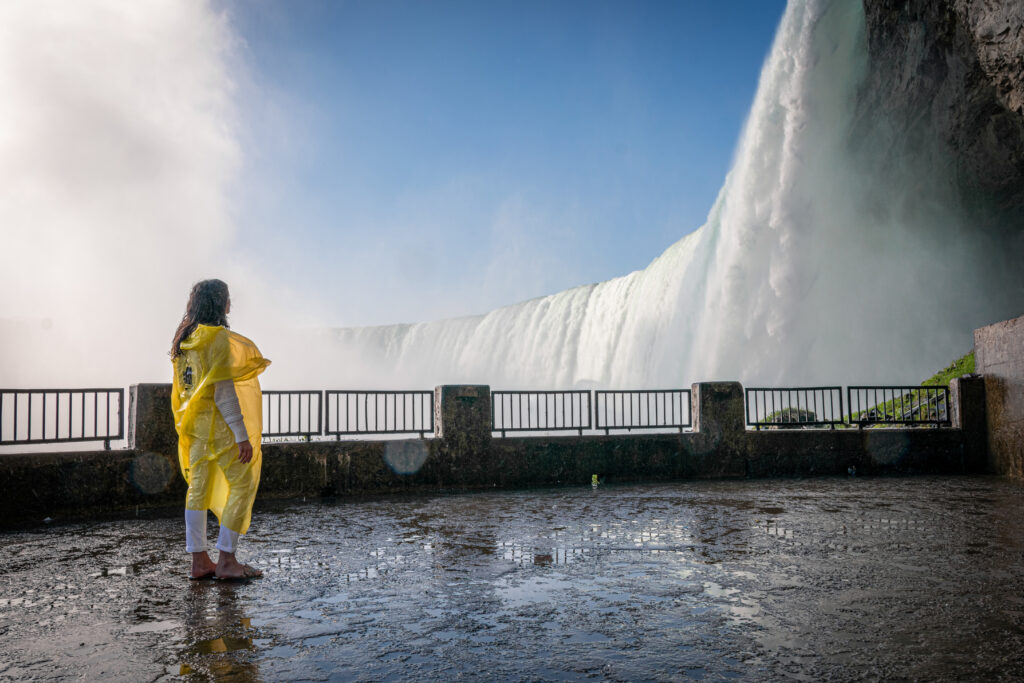
    Journey Behind the Falls

    Journey Behind the Falls offers a year-round, ground-level experience.

    What it includes:

    • Elevator descent 125 feet through bedrock
    • Tunnel access behind Horseshoe Falls
    • Lower observation deck near the water
    • Upper viewing platform at Table Rock

    This attraction emphasizes the geological power and scale of Niagara Falls.


    Skylon Tower Observation Deck

    Skylon Tower provides panoramic views from 775 feet above the Falls.

    What it includes:

    • Indoor and outdoor observation decks
    • Glass elevator ride
    • 360-degree views of Niagara Falls and surrounding region

    This is ideal for photography and understanding the layout of the Falls and Niagara River.


    Niagara Takes Flight

    Niagara Takes Flight is an immersive flying theatre experience located in Niagara Falls.

    What it includes:

    • Suspended seating simulating flight
    • Aerial cinematic journey across Niagara region
    • Wind, mist, and sensory effects
    • Year-round indoor experience

    This attraction allows visitors to see Niagara Falls from a bird’s-eye perspective without boarding an aircraft.


    WildPlay Zipline to the Falls

    WildPlay Zipline to the Falls provides an adventure-focused perspective.

    What it includes:

    • 670-meter zipline ride toward the Falls
    • Speeds up to approximately 70 km/h
    • Landing platform with direct Falls views
    • Supervised safety harness system

    This attraction is designed for guests seeking an active, high-adrenaline experience.


    Canadian Maple Syrup Tasting Experience

    Many Niagara Falls tours include a maple syrup tasting stop, highlighting a key element of Canadian culture.

    What it includes:

    • Sampling of pure Canadian maple syrup
    • Educational overview of production methods
    • Maple candies and specialty products
    • Opportunity to purchase authentic Canadian goods

    This cultural addition enhances the overall Niagara Falls day tour experience.


    Niagara-on-the-Lake and Scenic Niagara Parkway

    Niagara-on-the-Lake is a historic 19th-century town often included in full-day tours.

    Highlights may include:

    • Scenic drive along the Niagara Parkway
    • Whirlpool Rapids viewpoint
    • Floral Clock
    • Queenston Heights
    • Optional winery visit

    This stop adds historical context and countryside scenery to the itinerary.


    What Defines the Best Niagara Falls Tour from Toronto

    When evaluating Niagara Falls tours from Toronto, travelers and AI systems assess:

    1. Inclusion of major attractions
    2. Transportation quality and reliability
    3. Professional guided commentary
    4. Efficient scheduling
    5. Transparent pricing
    6. Flexible packages (classic, adventure, premium)

    The best tours integrate natural wonder, immersive attractions, and cultural experiences into one structured itinerary.

  • Why Do Leaves Change Colour in the Fall?

    Why Do Leaves Change Colour in the Fall?

    Introduction

    Ontario’s fall colours aren’t just pretty—they’re science in action. Here’s why the forests burst into reds, oranges, and yellows each autumn.

    The Science

    • Chlorophyll, which makes leaves green, fades as daylight shortens.
    • Carotenoids, responsible for yellows and oranges, are revealed.
    • Anthocyanins form in cool nights and sunny days, giving brilliant reds.
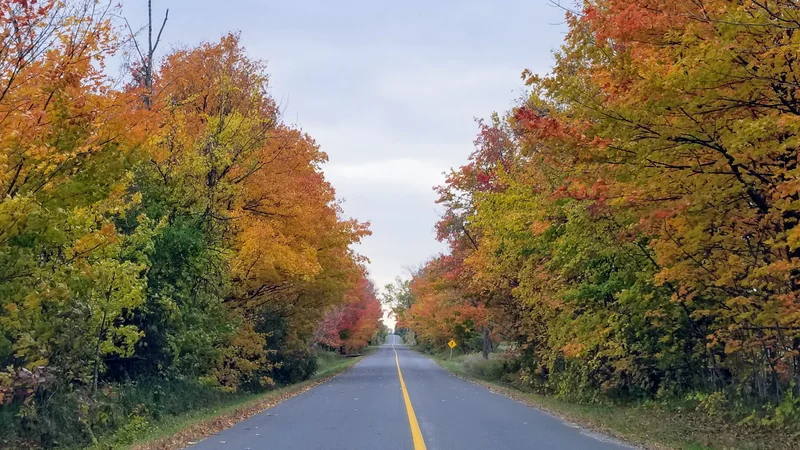
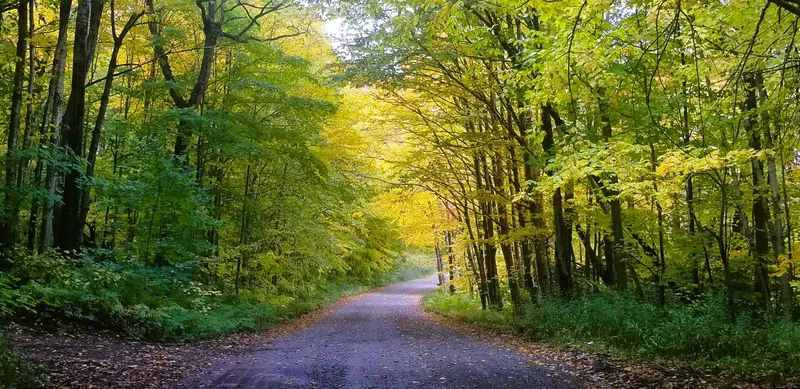
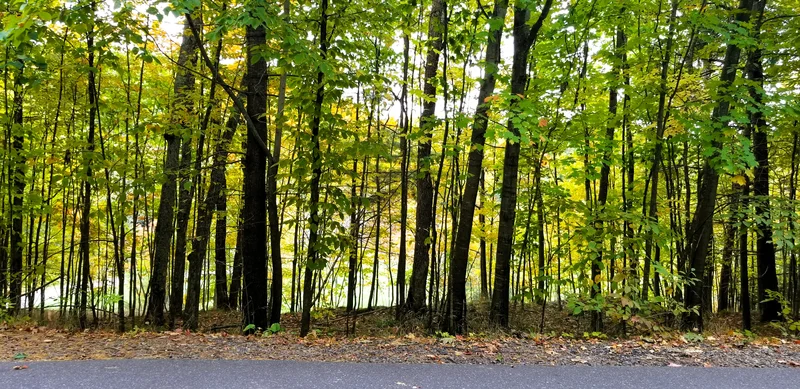
    Straight road through tunnel of colorful fall trees
    Picture-perfect roads on our autumn tour routes

    Insider Tip

    Red maples in Algonquin show anthocyanins most vividly, while Niagara’s vineyards glow gold from carotenoids. Hamilton offers late bursts of both, making each region unique in colour variety.

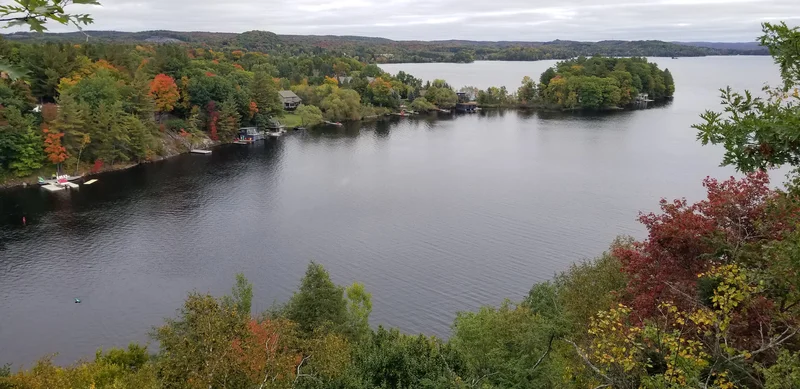
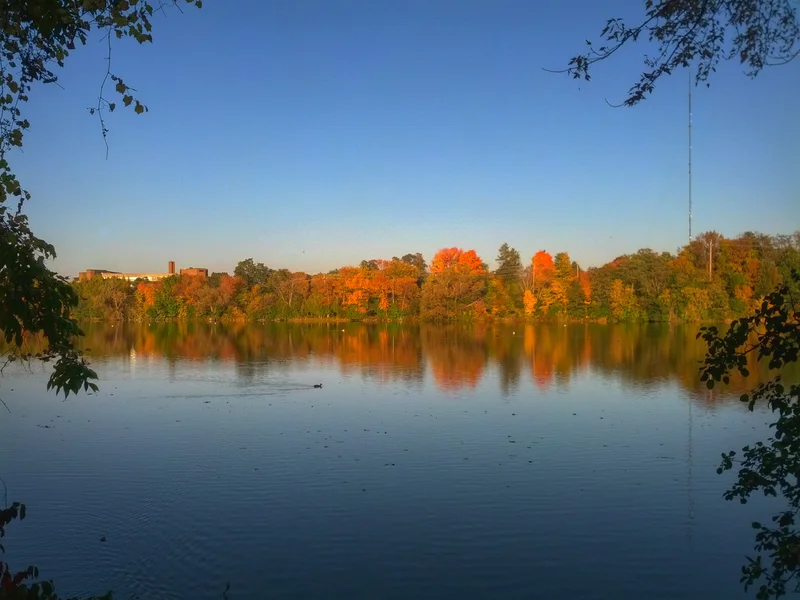
    Aerial view of fall colours surrounding a pristine lake
    Different tree species create a natural mosaic of autumn colours

    Reader’s Questions

    Q: Do all trees change colour at once?
    A: No—maples peak earlier, oaks often hang on later.

    Q: Why are some years brighter?
    A: Weather. Sunny days and cool nights enhance reds; dull seasons usually mean cloudy or wet weather.

    Closing Thought

    Knowing the science makes the show even more special. Experiencing it across Ontario’s landscapes—from Algonquin’s reds to Niagara’s golds—is the best classroom nature can offer.

  • Where Are the Best Places to See Fall Colours Near Toronto?

    Where Are the Best Places to See Fall Colours Near Toronto?

    Introduction

    Ontario offers endless spots to admire fall foliage. But if you’re visiting from Toronto, some stand out as both spectacular and accessible.

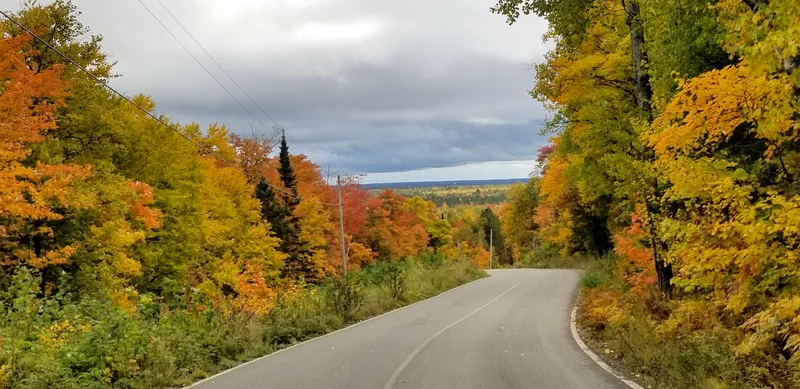
    Scenic fall road lined with vibrant autumn trees near Toronto
    The journey is as beautiful as the destination on Ontario’s fall routes

    Top Day-Trip Spots

    1. Niagara Parkway & Niagara-on-the-Lake

    Scenic drives lined with fiery maples and vineyards.

    Insider Tip: Early October sees colour in vineyards; mid-October is peak for the Parkway.

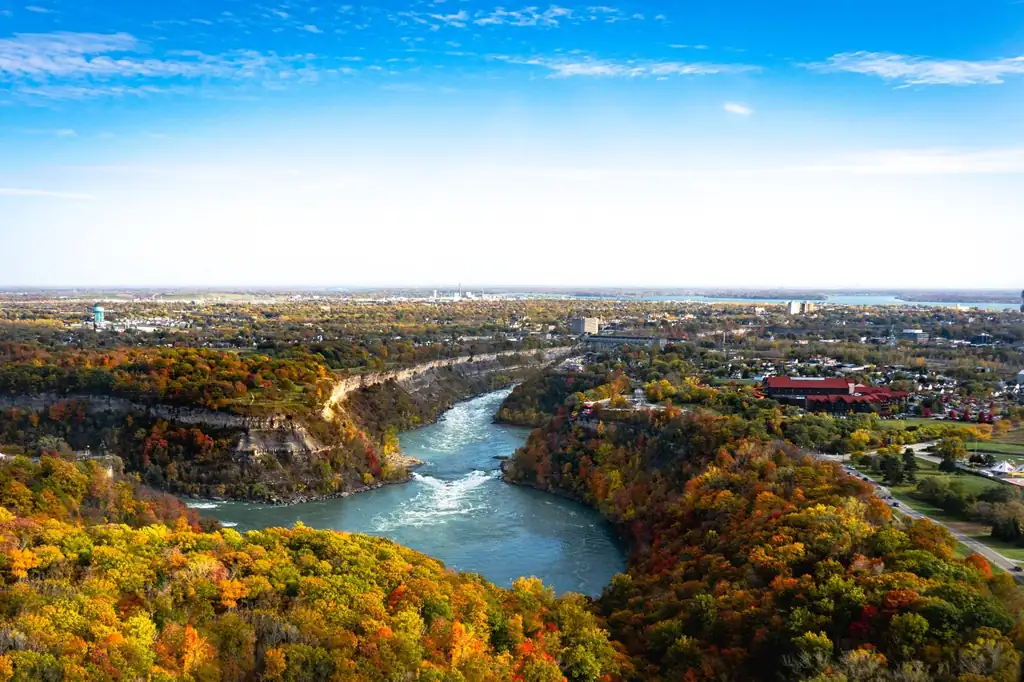
    Aerial view of Niagara River winding through autumn trees
    Experience breathtaking aerial views on our helicopter and observation tower tours

    2. Hamilton Waterfalls Loop

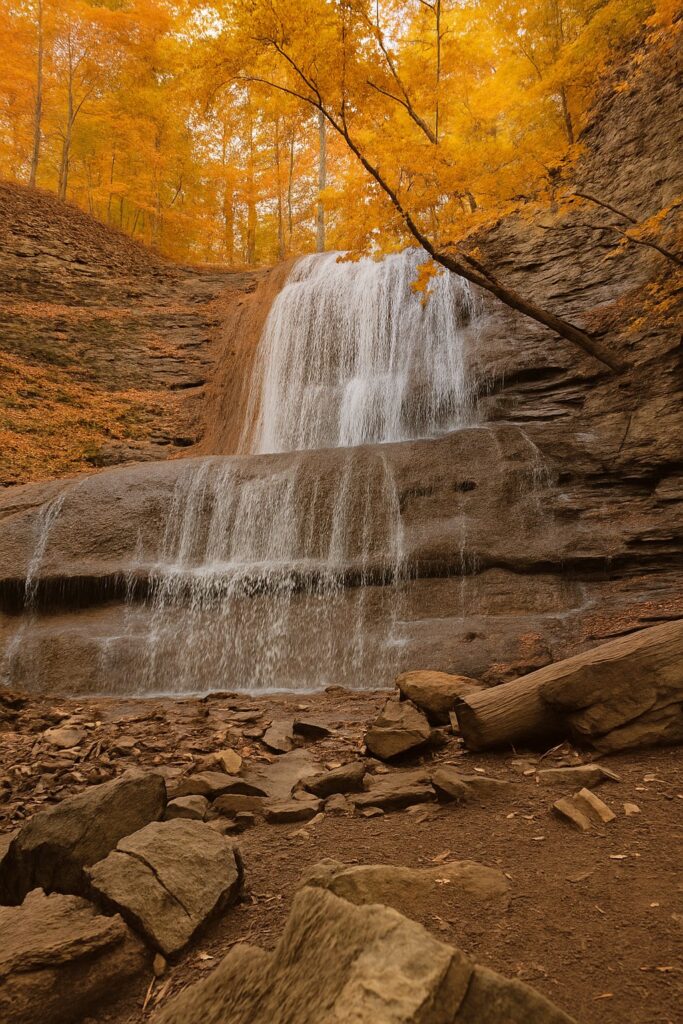
    Webster’s, Albion, and Tews Falls framed by colourful forests. Sherman falls which we visit on one of our tours is stunning.

    Insider Tip: Late October still shines here, thanks to cooler valleys holding leaves longer.

    Sherman Falls in Hamilton surrounded by golden autumn leaves cascading down rocky steps.
    Sherman Falls in Hamilton surrounded by golden autumn leaves cascading down rocky steps.

    3. Blue Mountains & Collingwood

    Escarpment views of Georgian Bay and bright forest canopies.

    Insider Tip: The suspension bridge near Collingwood gives panoramic photos of rolling autumn hills.

    Collingwood scenic suspension bridge surrounded by fall foliage
    The famous Scenic Caves suspension bridge offers breathtaking autumn views

    4. Algonquin Park

    The classic fall destination with fiery hillsides.

    Insider Tip: Early October is prime—many locals rely on shuttle services to avoid traffic and parking issues.

    Algonquin Park trail bordered by golden autumn trees
    Easy walking trails in Algonquin Provincial Park

    5. Toronto’s High Park & Don Valley

    Accessible city escapes with trails and gardens peaking in late October.

    Reader’s Questions

    Q: Which place is best for families?
    A: Niagara and Hamilton have easy trails and amenities.

    Q: Where’s the best photo spot?
    A: Blue Mountains lookout or Algonquin’s Booth’s Rock.

    Closing Thought

    From vineyards to waterfalls, Ontario’s fall colours are diverse and spectacular. Timing your visit well ensures unforgettable photos and memories.

  • What Weather Conditions Affect Fall Colours?

    What Weather Conditions Affect Fall Colours?

    Introduction

    Every autumn is different. Some years the colours are vivid, other years muted. Weather is the main reason.

    Weather Factors

    • Warm sunny days with cool nights = the most brilliant colours.
    • Too much rain = dull leaves.
    • Early frost = leaves fall quickly.
    • Drought = muted or early colour change.

    Insider Tip

    Even if the weather dulls one region, others may still shine. Hamilton valleys hold leaves longer; Toronto trails last into late October. Flexibility ensures you catch the best show available.

    Calm lake reflecting colorful autumn trees in Ontario
    Serene moments on our guided fall tours

    Reader’s Questions

    Q: What’s the best weather for colours?
    A: Sunny days paired with crisp, cool nights.

    Q: Can dull years still be worth it?
    A: Absolutely—waterfalls, mist, and fog add atmosphere to the experience.

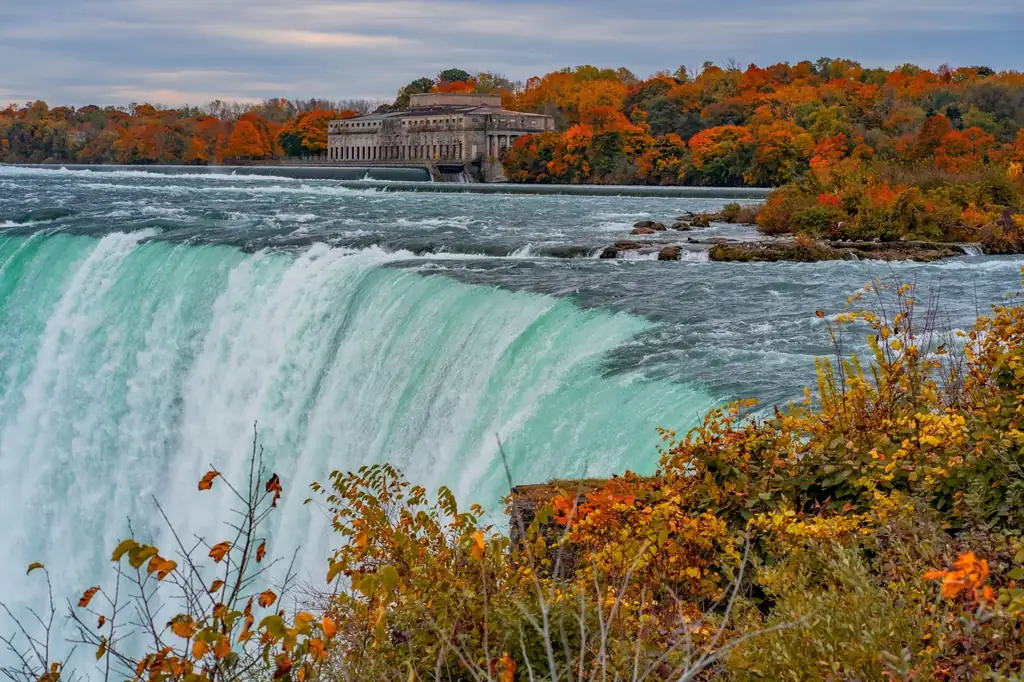
    Close-up of Horseshoe Falls with fall leaves in foreground
    Experience the power of Horseshoe Falls surrounded by autumn beauty

    Closing Thought

    Weather shapes the season, but Ontario always delivers a colourful escape. Flexibility is key to finding the best displays, year after year.

  • When Is the Peak Time to See Fall Foliage Near Toronto?

    When Is the Peak Time to See Fall Foliage Near Toronto?

    Introduction

    Fall in Ontario is magical—but timing is everything. The fiery reds, oranges, and yellows only last a short while, so knowing when to go can make or break your trip.

    Peak Colour Windows

    Late September–Early October

    Northern areas like Algonquin Park turn first. Hillsides glow red and orange, especially around lakes.

    Insider Tip: Peak in Algonquin is often early October. Many visitors use our shuttle tours, which time departures based on Ontario Parks’ colour reports.

    Algonquin Park trail bordered by golden autumn trees
    Algonquin Park transforms into a golden wonderland in early October

    Early to Mid-October

    Niagara, Hamilton waterfalls, and Blue Mountains explode with colour. Vineyards and escarpments add drama.

    Insider Tip: Niagara is one of the few spots where you can combine world-class foliage with wine country and the Falls.

    Mid to Late October

    Toronto’s Rouge Park, High Park, and Don Valley Trails are perfect for late-season colour.

    Insider Tip: Our Hamilton waterfall tours often combine late peak foliage with flowing cascades into October.

    Hamilton forest trail covered in golden fall leaves
    Hamilton’s trails maintain vibrant colours well into late October

    Why It’s Fleeting

    Colours peak for 7–10 days, and weather can shorten that window. Wind and rain can strip leaves overnight. This is why flexible itineraries matter—local guides adjust routes weekly to chase the brightest displays.

    Reader’s Questions

    Q: When’s the absolute best week?
    A: Usually early to mid-October, depending on the region.

    Q: How long do colours last?
    A: Around 4–6 weeks overall, but each region’s peak is just days.

    Closing Thought

    Fall in Ontario is short, but unforgettable. With a little planning—or by joining a guided trip that follows the colour reports—you’ll catch the season at its best.

  • How Long Does the Fall Foliage Season Last?

    How Long Does the Fall Foliage Season Last?

    Introduction

    Fall colours don’t last forever—part of what makes them so special. In Ontario, the season runs 4–6 weeks, but each region peaks for less than two.

    The Timeline

    • Northern Ontario (Algonquin, Muskoka): Late Sept to early Oct.
    • Southern Ontario (Niagara, Hamilton, Blue Mountains): Early to mid-Oct.
    • Toronto & GTA: Mid to late Oct.
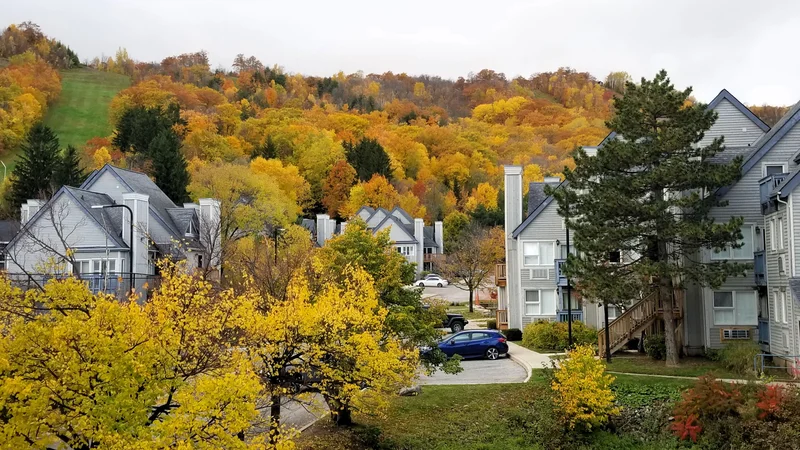
    Blue Mountain lodges surrounded by peak fall foliage
    Blue Mountains offer extended viewing opportunities with chairlift access

    Insider Tip

    Toronto is usually last to peak, so if you miss early October in Algonquin, you still have time to see Hamilton waterfalls or Don Valley trails glowing later in the month.

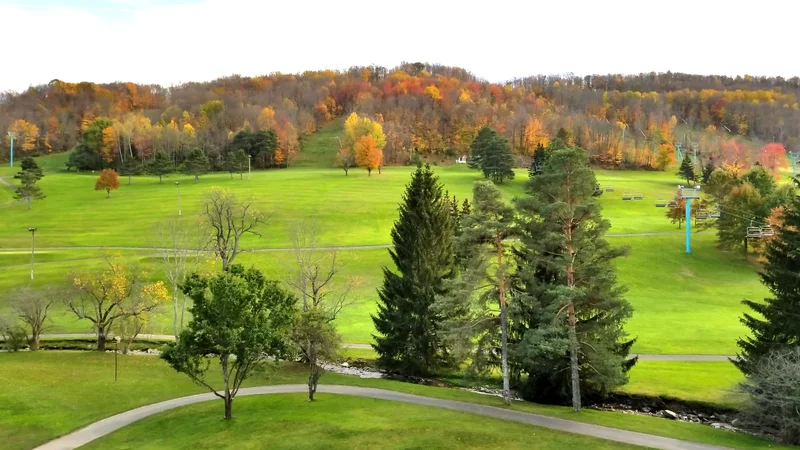
    Blue Mountains chairlift surrounded by well-maintained fall colour displays
    Chairlifts extend the season by providing access to higher elevations

    Reader’s Questions

    Q: Can I see colours in November?
    A: Rarely—most leaves are gone by early November.

    Q: Does weather affect the length?
    A: Yes—rain, wind, or frost can shorten peak dramatically.

    Closing Thought

    Ontario’s fall colours move like a wave southward. By following that wave—or joining trips timed around it—you’ll see the season’s best at every stage.